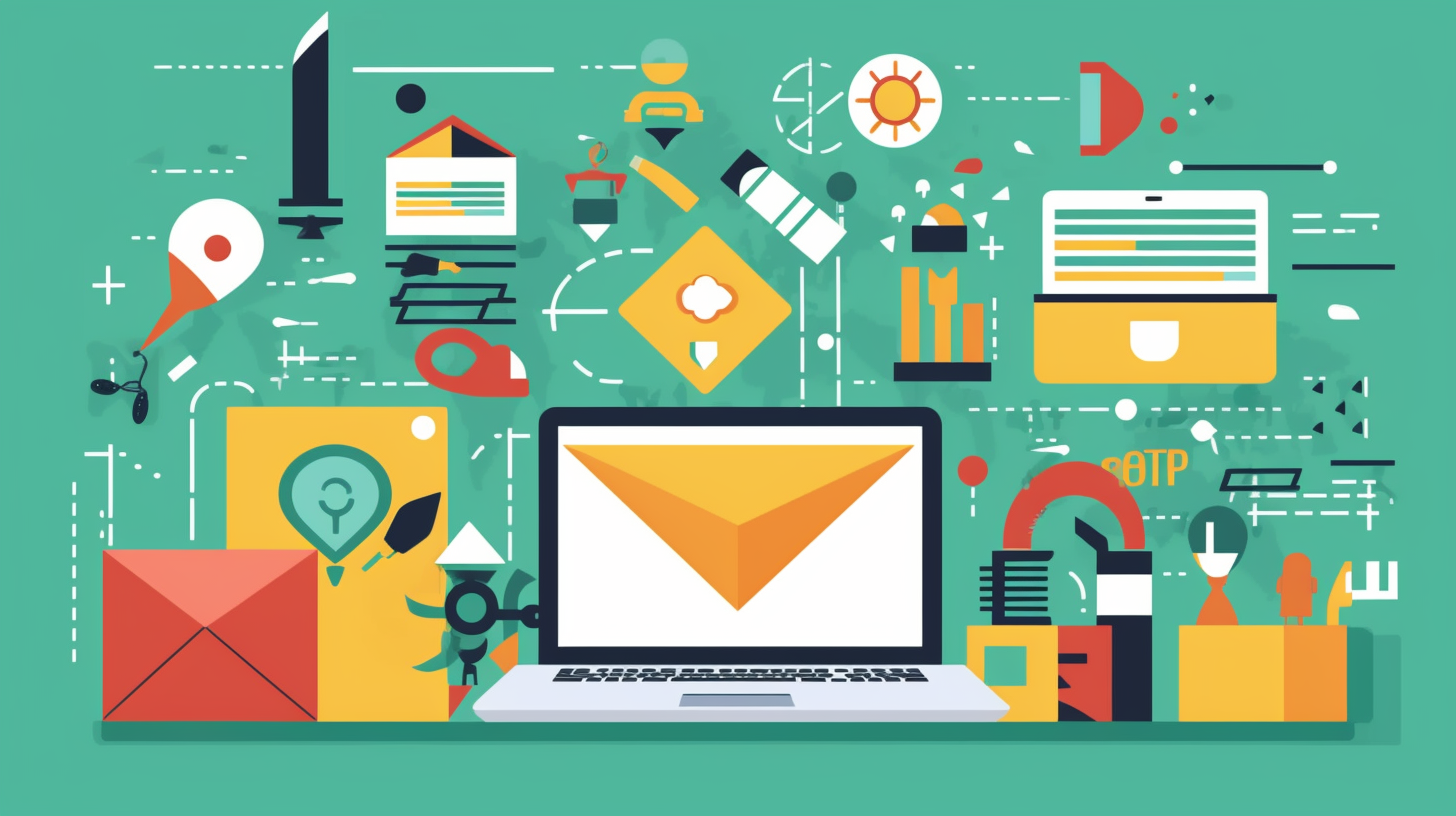
Welcome to this article where we will discuss common email marketing mistakes and provide tips on how to avoid them and achieve success. Email marketing is a powerful tool for businesses to connect with their audience and drive conversions. However, if not executed properly, it can lead to subpar results and even damage your brand reputation. In this article, we will look at some of the most prevalent email marketing mistakes and offer guidance on how to avoid them.
Email marketing is a cost-effective and efficient way to reach your target audience. With the right strategies and tactics, you can build strong relationships, nurture leads, and drive sales. However, many businesses make critical mistakes that hinder the effectiveness of their email campaigns.
To help you avoid these pitfalls, we will discuss the following topics:
- Onjuiste Doelgroep Segmentatie (Incorrect Target Audience Segmentation): When you’re sending out emails, it’s crucial to ensure that you are targeting the right audience. We will discuss the importance of audience segmentation and delve into two common mistakes: not segmenting your audience finely and not having sufficient segmentation data.
- Slecht Ontworpen E-mailtemplates (Poorly Designed Email Templates): Your email template is the foundation of your email campaign. We will highlight the significance of using a professional email template and address two common mistakes: not having a responsive design and overwhelming your emails with excessive images or text.
- Ineffectieve Onderwerpregels (Ineffective Subject Lines): Your email’s subject line is the first impression you make on your recipients. We will explore the importance of compelling subject lines and cover two common mistakes: using long and boring subject lines and using misleading subject lines.
- Gebrek aan Personalisatie (Lack of Personalization): Personalizing your emails can significantly improve their impact. We will explain why personalization is important and discuss two common mistakes: sending generic emails and neglecting to include dynamic content.
- Verkeerde Timing van E-mails (Wrong Timing of Emails): Timing plays a crucial role in the success of your email campaigns. We will provide guidance on selecting the right moment to send your emails and highlight two common mistakes: sending too many or too few emails and sending emails at inappropriate times.
- Ontbreken van Call-to-Actions (Absence of Call-to-Actions): Clear and compelling call-to-actions (CTAs) are essential for driving conversions. We will emphasize the importance of CTAs and address two common mistakes: unclear or weak CTAs and a lack of clear action-oriented instructions.
- Slechte E-mailleverbaarheid (Poor Email Deliverability): Your emails need to reach the intended recipients for your campaigns to succeed. We will discuss the importance of good email deliverability and examine two common mistakes: neglecting reputation management and not paying enough attention to email authentication.
By the end of this article, you will have gained valuable insights into the most common email marketing mistakes and learned how to avoid them. Let’s dive in and start optimizing your email marketing strategy!
Onjuiste Doelgroep Segmentatie
Als het op e-mailmarketing aankomt, is een van de meest voorkomende fouten het niet correct segmenteren van de doelgroep. Het is essentieel om uw e-maillijst op te splitsen in verschillende segmenten op basis van specifieke kenmerken en gedrag. Hierdoor kunt u gerichte en relevante e-mails versturen, wat de kans vergroot dat uw publiek betrokken raakt en converteert. Hier zijn een paar fouten die u moet vermijden:
- Geen Gedetailleerde Segmentatie: Het is belangrijk om verder te gaan dan basissegmentatie, zoals geslacht of leeftijd. Om echt effectief te zijn, moet u gedetailleerde segmenten maken op basis van factoren zoals koopgeschiedenis, interesses, locatie en meer. Dit geeft u de mogelijkheid om de juiste boodschap naar de juiste mensen te sturen.
- Onvoldoende Segmentatiegegevens: Een andere fout is het ontbreken van voldoende gegevens om uw doelgroep te segmenteren. Het is belangrijk om relevante gegevens te verzamelen en te analyseren, zoals aankoopgedrag, open- en klikfrequenties en demografische informatie. Hierdoor kunt u uw segmenten beter begrijpen en uw e-mails dienovereenkomstig aanpassen.
Door uw doelgroep correct te segmenteren, vergroot u de kans op succes en betrokkenheid bij uw e-mailcampagnes. Neem de tijd om uw klantenbestand te analyseren en te segmenteren, en u zult de vruchten plukken van een gerichte en relevante benadering van e-mailmarketing.
“Segmentatie stelt u in staat om uw publiek te begrijpen en gerichte, relevante berichten te sturen, waardoor u de kans op betrokkenheid en conversie vergroot.”
Slecht Ontworpen E-mailtemplates
When it comes to email marketing, the design of your email templates plays a crucial role in grabbing the attention of your recipients and effectively conveying your message. A poorly designed email template can result in a low open rate and ultimately hinder your marketing efforts.
Belang van een Professioneel E-mailtemplate
Having a professionally designed email template is essential for the success of your email marketing campaigns. Here’s why:
- Consistency: A well-designed template ensures that your emails have a consistent look and feel, making them instantly recognizable to your subscribers. This consistency builds trust and keeps your brand top of mind.
- Brand Image: Your email template should reflect your brand image and align with your company’s visual identity. A professional design gives a polished and professional appearance, helping to establish credibility and reinforce your brand.
- Mobile Responsiveness: With the increasing use of mobile devices, it’s crucial to have a responsive email template that renders correctly on different screen sizes. A mobile-friendly design ensures that your emails are accessible and enjoyable to read on smartphones and tablets.
Fout 1: Geen Responsief Ontwerp
One common mistake in email template design is not optimizing the template for mobile devices. It’s essential to remember that a significant portion of your subscribers will be viewing your emails on their smartphones. To avoid this mistake:
- Ensure that your email template is responsive, meaning it adapts to different screen sizes.
- Use a single-column layout instead of multiple columns, which can become unreadable on smaller screens.
- Increase the font size to make the text easily readable on mobile devices.
- Test your email template on various mobile devices and email clients to ensure it displays correctly.
Fout 2: Overweldigende Afbeeldingen of Tekst
Another mistake to avoid is overwhelming your recipients with too many images or lengthy paragraphs of text. Here’s why this is an issue:
- Slow Loading Times: Emails with large, high-resolution images can take a long time to load, especially on slower internet connections. This can result in recipients abandoning the email before it fully loads, leading to a lost opportunity.
- Visual clutter: When an email contains too much text, it becomes overwhelming and difficult to read. Keep your message concise and to the point. Use bullet points, subheadings, and white space to break up the text and make it more visually appealing.
- Accessibility: Not all recipients will have images enabled by default in their email clients, so it’s crucial to include descriptive alt text for your images. This ensures that the message is still conveyed even if the images aren’t visible.
In conclusion, designing effective email templates is an important aspect of email marketing. Remember to prioritize a professional and consistent look, optimize for mobile devices, and avoid overwhelming your recipients with excessive images or text. By avoiding these common mistakes and focusing on delivering a visually appealing and engaging email experience, you can greatly improve the effectiveness of your email campaigns.
Ineffectieve Onderwerpregels
The Importance of Compelling Subject Lines
When it comes to e-mail marketing, the subject line is crucial. It’s the first thing your subscribers see in their inbox, and it’s what determines whether they open your e-mail or not. In fact, studies have shown that 47% of subscribers decide whether to open an e-mail solely based on the subject line. So, if your subject lines are ineffective, your e-mails will likely go unread.
Mistake 1: Long and Boring Subject Lines
One common mistake that marketers make is using long and boring subject lines. Your subject line should be concise and attention-grabbing. Remember, you only have a few seconds to convince your subscribers that your e-mail is worth opening. If your subject line is too long or lacks excitement, it will likely be skipped over in favor of more compelling e-mails.
Mistake 2: Deceptive Subject Lines
Another mistake to avoid is using deceptive subject lines. While it may be tempting to use a catchy or clickbait-like subject line to entice subscribers to open your e-mail, it’s important to deliver on your promises. If your subject line is misleading and doesn’t accurately reflect the content of your e-mail, you risk damaging the trust and credibility you’ve built with your subscribers.
How to Improve Your Subject Lines
Now that we’ve discussed the common mistakes to avoid, let’s explore some tips for creating effective and compelling subject lines:
- Be concise: Keep your subject lines short and to the point. Aim for around 40-50 characters to ensure they are fully visible on mobile devices.
- Create urgency: Use words that create a sense of urgency or exclusivity to encourage subscribers to open your e-mail. For example, phrases like “limited time offer” or “exclusive invitation” can be effective.
- Personalize: Personalization is key to grabbing your subscribers’ attention. Use their first name or other relevant information in the subject line to make it more personalized and engaging.
- Test and analyze: Don’t be afraid to experiment with different subject lines and analyze the results. A/B testing can help you determine which subject lines perform the best with your audience.
Remember, the subject line is your first opportunity to make a strong impression and entice your subscribers to open your e-mail. By avoiding long and boring subject lines and staying away from deceptive tactics, you can improve your open rates and ultimately, the success of your e-mail marketing campaigns.
Gebrek aan Personalisatie
Waarom Personalisatie Belangrijk is
In de wereld van e-mail marketing is personalisatie een cruciaal element voor succes. Het stelt je in staat om de communicatie met je klanten te individualiseren en een persoonlijke touch toe te voegen aan je e-mails. Het gebrek aan personalisatie kan leiden tot ongeïnteresseerde ontvangers en lagere open- en klikfrequenties. Hier zijn twee veelgemaakte fouten bij het gebrek aan personalisatie en hoe je deze kunt vermijden:
Fout 1: Generieke E-mails versturen
Het verzenden van generieke e-mails naar al je abonnees kan worden gezien als een teken van desinteresse en kan leiden tot een verminderde betrokkenheid van je publiek. Het is belangrijk om je klanten te laten voelen dat je hun specifieke behoeften en interesses begrijpt. Om dit te doen, moet je je abonnees segmenteren op basis van verschillende criteria zoals demografische gegevens, aankoopgeschiedenis, interesses en gedrag.
Hoe dit probleem te voorkomen?
- Segmenteren: Deel je lijst met abonnees op in meerdere segmenten op basis van specifieke criteria, zoals locatie, leeftijd of geslacht. Dit stelt je in staat om e-mails te verzenden die afgestemd zijn op de behoeften en interesses van specifieke segmenten.
- Gegevensverzameling: Verzamel zoveel mogelijk informatie over je abonnees, bijvoorbeeld via aanmeldingsformulieren of enquêtes. Deze gegevens kunnen worden gebruikt om je e-mails nog persoonlijker te maken.
- Gedragsgebaseerde personalisatie: Houd het gedrag van je abonnees bij, zoals eerdere aankopen of websitebezoeken, en gebruik deze informatie om gepersonaliseerde aanbiedingen of aanbevelingen te doen.
Fout 2: Geen Dynamische Inhoud
Het ontbreken van dynamische inhoud in je e-mails kan ervoor zorgen dat je abonnees zich niet betrokken voelen. Dynamische inhoud verwijst naar elementen in je e-mails die automatisch veranderen op basis van de kenmerken van de ontvanger. Dit kan bijvoorbeeld inhoud zijn die is afgestemd op de locatie van de ontvanger, zoals lokale evenementen of aanbiedingen.
Hoe dit probleem te voorkomen?
- Dynamic Content Marketing Software: Gebruik e-mailmarketingtools die dynamic content functionaliteit bieden, waarmee je verschillende versies van je e-mail kunt maken die zich aanpassen aan de kenmerken van je abonnees.
- Personalisatie op basis van gedrag: Maak gebruik van het gedrag en de voorkeuren van je abonnees om dynamische inhoud toe te voegen aan je e-mails. Bijvoorbeeld door aanbevolen producten te tonen op basis van vorige aankopen of door eerder bekeken items opnieuw onder de aandacht te brengen.
Het implementeren van personalisatie in je e-mailmarketingstrategie kan een groot verschil maken in het succes van je campagnes. Zorg ervoor dat je de nodige gegevens verzamelt en gebruikmaakt van tools die je helpen bij het maken van dynamische inhoud. Op deze manier kun je ervoor zorgen dat je e-mails worden geopend, gelezen en gevolgd door je abonnees.
References:
- Why Personalization Matters in Email Marketing
- Personalization Strategies to Boost Your Email Marketing Campaigns
Verkeerde Timing van E-mails
In the world of email marketing, timing is everything. Sending your emails at the right time can significantly impact their effectiveness and ultimately, the success of your email marketing campaigns. However, many marketers make mistakes when it comes to the timing of their emails, which can lead to missed opportunities and loss of engagement. In this section, we will explore the common timing mistakes and provide tips on how to avoid them.
The Importance of Choosing the Right Moment
Before we dive into the mistakes, let’s first understand why timing is important in email marketing. Here are a few reasons:
- Higher Open Rates: Sending your emails when your subscribers are most likely to check their inboxes increases the chances of them opening and reading your message.
- Increased Engagement: When your subscribers are actively checking their emails, they are more likely to engage with your content, click on your links, and take desired actions.
- Avoid Getting Lost in the Crowd: Sending emails during crowded times can lead to your message getting buried in the sea of other emails. Timing your emails strategically allows you to stand out and capture your audience’s attention.
Now that we understand the importance of timing, let’s explore the common mistakes marketers make and how to avoid them:
Mistake 1: Sending Too Many or Too Few Emails
Finding the right balance between sending too many and too few emails is crucial. Sending too many emails can result in your subscribers feeling overwhelmed and opting out of your mailing list. On the other hand, sending too few emails can cause your audience to forget about you or lose interest in your content. To avoid this mistake:
- Monitor Engagement: Keep an eye on your email analytics to understand how often your subscribers are engaging with your emails. Adjust your email frequency accordingly.
- Segment Your Audience: Different segments of your audience may have different preferences when it comes to email frequency. Segment your list and send emails at a frequency that suits each group.
Mistake 2: Sending Emails at Inappropriate Times
Sending your emails at inappropriate times can result in them getting lost in the shuffle or being overlooked altogether. Avoid making this mistake by:
- Testing Different Time Zones: If you have an international audience, test sending your emails at different times to cater to different time zones and maximize engagement.
- Analyze Open Rates: Use email analytics to analyze the open rates of your previous email campaigns and identify patterns. This can give you insights into the best times to send your emails.
By avoiding these timing mistakes, you can enhance the effectiveness of your email marketing campaigns and maximize engagement with your subscribers. Remember, it’s all about reaching your audience at the right moment and capturing their attention.
Now that we’ve covered the common mistakes related to the timing of emails, let’s move on to the next section and explore another important aspect of email marketing: the importance of call-to-actions.
Ontbreken van Call-to-Actions
Het Belang van Call-to-Actions
Een call-to-action (CTA) is een essentieel onderdeel van een effectieve e-mailmarketingstrategie. Het is de link, knop of instructie die de ontvanger van de e-mail aanzet tot een specifieke actie, zoals het bezoeken van een website, het downloaden van een whitepaper of het inschrijven voor een nieuwsbrief. Een goede CTA kan het succes van je e-mailcampagne significant verhogen, terwijl het ontbreken ervan kan resulteren in een lage betrokkenheid en conversie.
Waarom zijn call-to-actions belangrijk?
- Ze sturen je ontvangers naar je website of bestemmingspagina, waar ze verdere actie kunnen ondernemen, zoals een aankoop doen of contact met je opnemen.
- Ze helpen je bij het meten van de effectiviteit van je e-mails door middel van click-through rates (CTR) en conversiepercentages.
- Ze geven je de mogelijkheid om je ontvangers te leiden en de gewenste acties te stimuleren.
- Ze zorgen voor een duidelijke en gestroomlijnde gebruikerservaring, waardoor ontvangers weten wat er van hen verwacht wordt.
Fout 1: Onduidelijke of Zwakke CTA’s
Een veelvoorkomende fout is het ontbreken van duidelijke en overtuigende CTA’s in e-mails. Vaak zijn de CTA’s zwak geformuleerd of niet opvallend genoeg, waardoor ontvangers ze over het hoofd zien of er geen interesse in hebben. Dit kan leiden tot een lage klikfrequentie en het verlies van potentiële conversies.
Hoe voorkom je deze fout?
- Maak je CTA duidelijk en specifiek, zodat ontvangers weten wat er van hen verwacht wordt. Gebruik bijvoorbeeld actiegerichte woorden zoals “Klik hier”, “Bestel nu” of “Ontvang je gratis e-book”.
- Zorg ervoor dat je CTA opvalt in je e-mail. Gebruik opvallende kleuren, maak de tekst vetgedrukt of plaats de CTA boven de vouw zodat ontvangers deze direct kunnen zien zonder te hoeven scrollen.
- Gebruik een call-to-action die aansluit bij de boodschap en het doel van je e-mail. Als je bijvoorbeeld een kortingsactie promoot, gebruik dan een CTA zoals “Krijg 20% korting” in plaats van een algemene CTA zoals “Lees meer”.
Fout 2: Geen Duidelijke Actiegerichte Instructies
Een andere veelgemaakte fout is het ontbreken van duidelijke instructies in je CTA’s. Als je ontvangers niet vertelt wat ze moeten doen, is de kans groot dat ze geen actie ondernemen of niet weten wat er van hen verwacht wordt.
Hoe voorkom je deze fout?
- Geef je ontvangers specifieke instructies over wat ze moeten doen nadat ze op de CTA hebben geklikt. Bijvoorbeeld: “Vul het formulier in”, “Maak een afspraak” of “Schrijf je nu in”.
- Geef een gevoel van urgentie aan je CTA’s door bijvoorbeeld gebruik te maken van woorden zoals “Nu”, “Beperkte tijd” of “Laatste kans”.
- Zorg ervoor dat de bestemmingspagina waar de CTA naartoe leidt, duidelijke en eenvoudige instructies bevat, zodat ontvangers naadloos kunnen overgaan tot de gewenste actie.
“Een effectieve CTA kan het verschil maken tussen een succesvolle of een mislukte e-mailcampagne. Zorg ervoor dat je CTA’s duidelijk, aantrekkelijk en actiegericht zijn, zodat ontvangers weten wat ze moeten doen en gemotiveerd worden om tot actie over te gaan.”
Lees verder: Slechte E-mailleverbaarheid.
Slechte E-mailleverbaarheid
Having a successful email marketing campaign requires more than just creating compelling content and eye-catching designs. One crucial factor that can make or break your email marketing efforts is the deliverability of your emails. If your emails are not reaching your subscribers’ inboxes, all your hard work goes to waste. In this section, we will discuss the importance of good email deliverability and common mistakes to avoid.
The Importance of Good Email Deliverability
Email deliverability refers to the ability of your emails to successfully land in the recipient’s inbox. It is essential for the success of your email marketing campaigns because:
- It ensures that your message reaches your intended audience, allowing you to engage with them effectively.
- It builds trust and credibility with your subscribers, as they can rely on receiving your emails consistently.
- It improves your email metrics, such as open rates, click-through rates, and conversions, as more of your emails are seen by recipients.
Common Mistakes to Avoid
To ensure good email deliverability, it is crucial to avoid the following mistakes:
- Not Paying Attention to Reputation Management: Your email sender reputation plays a crucial role in determining whether your emails reach the inbox or the spam folder. Poor sender reputation can result in your emails being blocked or marked as spam. To maintain a good sender reputation, you should:
- Monitor your sender score and take necessary steps to improve it if it is low.
- Regularly clean your email list by removing inactive or invalid email addresses.
- Avoid using misleading subject lines or deceptive content in your emails.
- Not Prioritizing Email Authentication: Email authentication is a process that verifies the authenticity of your emails to prevent spoofing and phishing attacks. Not paying enough attention to email authentication can negatively impact your email deliverability. To improve email authentication:
- Implement SPF (Sender Policy Framework), DKIM (DomainKeys Identified Mail), and DMARC (Domain-based Message Authentication, Reporting, and Conformance) to authenticate your emails.
- Regularly monitor your email authentication records to ensure they are correctly configured.
By avoiding these common mistakes and taking the necessary steps to improve your email deliverability, you can ensure that your emails reach your subscribers’ inboxes and achieve the desired results.
Remember, email deliverability is not only about getting past the spam filters; it’s about creating a positive user experience for your subscribers. Building a strong reputation, authenticating your emails, and regularly monitoring your deliverability metrics are essential for optimizing your email marketing efforts.
In the next section, we will discuss the importance of call-to-actions in your emails and common mistakes to avoid when implementing them.
Conclusie
In conclusion, it is crucial to avoid common email marketing mistakes in order to achieve success and maximize the impact of your email campaigns. By rectifying these mistakes, you can ensure that your emails are targeted, visually appealing, engaging, and deliver the desired results.
Remember to:
- Segment your audience: By properly segmenting your target audience, you can send personalized emails that resonate with each recipient’s interests and preferences.
- Design professional email templates: Invest in responsive email templates that display well on all devices, and avoid overwhelming your subscribers with excessive images or lengthy, unorganized text.
- Craft compelling subject lines: Grab your recipients’ attention with concise, intriguing subject lines that entice them to open your emails.
- Personalize your emails: Use dynamic content and personalized elements to create a more tailored and meaningful experience for your subscribers.
- Choose the right timing: Send emails when your audience is most likely to engage, and avoid bombarding them with too many or poorly timed messages.
- Include clear call-to-actions: Guide your subscribers towards the desired action by including clear and captivating call-to-actions that leave no room for confusion.
- Ensure good email deliverability: Maintain a positive reputation and take the necessary steps to authenticate your emails, in order to maximize their chances of reaching the recipients’ inbox.
By keeping these key points in mind and implementing them into your email marketing strategy, you can avoid the common pitfalls that hinder the success of many campaigns. Instead, you can create impactful and effective emails that resonate with your audience, drive engagement, and ultimately achieve your desired business goals.
Remember, effective email marketing is an ongoing process that requires constant optimization and adaptation to changing trends and audience preferences. Stay informed, test different strategies, and continuously monitor and analyze data to improve your email marketing efforts and maximize results.
Veelgestelde vragen
- Wat zijn enkele veelgemaakte e-mail marketingfouten?
Enkele veelgemaakte e-mail marketingfouten zijn: 1. Geen gepersonaliseerde content, 2. Overspoelen van abonnees met e-mails, 3. Geen duidelijke call-to-action, 4. Onjuiste segmentatie van doelgroepen, en 5. Niet testen van e-mailcampagnes.
- Hoe kan ik voorkomen dat ik deze veelgemaakte fouten maak?
Om deze veelgemaakte e-mail marketingfouten te voorkomen, is het belangrijk om: 1. Persoonlijke en relevante content te bieden, 2. Een frequentieschema voor e-mails op te stellen, 3. Duidelijke call-to-actions te gebruiken, 4. Doelgroepen te segmenteren op basis van interesses en gedrag, en 5. Uw e-mailcampagnes te testen en optimaliseren.
- Waarom is het belangrijk om gepersonaliseerde content te gebruiken in e-mail marketing?
Gepersonaliseerde content in e-mail marketing zorgt ervoor dat abonnees zich meer betrokken voelen en het verhoogt de kans op conversie. Door relevante informatie te verstrekken op basis van voorkeuren en gedrag van de ontvanger, kunt u de relevantie en effectiviteit van uw e-mailcampagnes vergroten.
- Wat is het belang van een duidelijke call-to-action in e-mail marketing?
Een duidelijke call-to-action in e-mail marketing is essentieel omdat het de lezers aanzet tot het nemen van gewenste acties, zoals het klikken op een link, het invullen van een formulier of het doen van een aankoop. Het verhoogt de betrokkenheid en conversies van uw e-mailcampagnes.
- Waarom is het testen van e-mailcampagnes belangrijk?
Het testen van e-mailcampagnes is belangrijk omdat het u in staat stelt om de effectiviteit van uw campagnes te evalueren, te ontdekken wat wel en niet werkt, en uw strategieën te optimaliseren. Door te testen kunt u de open rates, click-through rates en conversies verbeteren en succesvollere e-mailcampagnes ontwikkelen.

Wim Arys is een ervaren digitale marketeer met een passie voor het helpen van bedrijven om te gedijen in het steeds veranderende online landschap. Zijn expertise omvat verschillende aspecten van digitale marketing, waaronder zoekmachineoptimalisatie (SEO), betaald adverteren (PPC), socialemediamarketing, contentmarketing en e-mailmarketing.
Wim’s sterke analytische vaardigheden en op data gebaseerde aanpak stellen hem in staat om bruikbare inzichten te ontwikkelen en op data gebaseerde beslissingen te nemen om de prestaties van campagnes te optimaliseren. Hij blijft voortdurend op de hoogte van de nieuwste ontwikkelingen in de branche en maakt gebruik van geavanceerde tools en technieken om uitzonderlijke resultaten te behalen.


0 Comments